
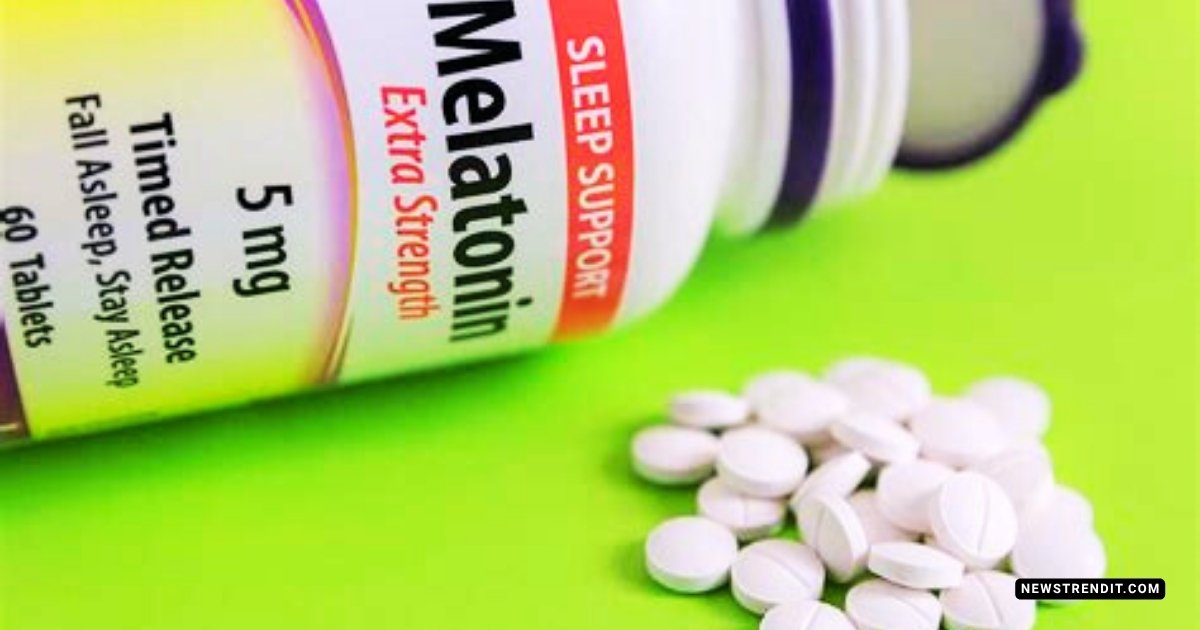
Melatonin and Heart Health. A new study suggests long-term melatonin use may increase the risk of heart failure. Experts say more research is needed — here’s what you should know.
Melatonin and heart failure are linked in a new study, but experts say there’s no need to panic just yet. According to experts, more thorough research is still necessary to fully understand the latest research findings, which indicate that prolonged usage of melatonin may be linked to an increased risk of heart failure. Extended Use of Melatonin Supplements Is Associated with an Increased Risk of Death and Heart Failure
According to a study that looked at a large number of people’s medical data, persons who took melatonin as directed by their doctor for more than a year were more likely than those who didn’t to suffer heart failure during the following five years. The American Heart Association (AHA) published the report on Monday.
Additionally, compared to those who did not take the supplement, researchers discovered that melatonin users had a higher chance of dying from any reason or being admitted to the hospital for heart failure.
The AHA Scientific Sessions 2025, a global forum for exchanging the most recent findings and scientific breakthroughs in cardiovascular health and clinical practice, will take place in New Orleans from November 7–10 and include a presentation of this early research.
What is melatonin?
The pineal gland in the body naturally produces the hormone melatonin. Its levels increase at night and decrease throughout the day, which aids in regulating the sleep-wake cycle.
Jet lag and insomnia are two sleep-related conditions that are frequently treated using synthetic (lab-made) forms of melatonin.
In many nations, including the United States, these supplements can be purchased over-the-counter (without a prescription).
However, there is little regulation of over-the-counter supplements in the United States, thus brand-to-brand variations in dosage and quality are common.
The Study’s Findings
The “melatonin group” was made up of people who had been taking melatonin for a year or more, and the “non-melatonin group” was made up of people whose medical records made no reference to melatonin.
Chief Resident in Internal Medicine at SUNY Downstate/Kings County (Brooklyn, New York), Dr. Ekenedilichukwu Nnadi, the study’s principal author, stated:
“Although melatonin supplements are generally regarded as safe sleep aids, if our findings are validated, this could drastically alter the way physicians advise their patients regarding the use of sleep aids.”
Important Results
Long-term melatonin users were 90% more likely to develop heart failure (4.6% vs. 2.7%).
There was an 82% increased risk for those who received at least two melatonin prescriptions filled 90 days apart.
Hospitalization for heart failure was 3.5 times more common among melatonin users (19.0% vs. 6.6%).
Melatonin and Heart Health

Melatonin users were almost twice as likely to die from any cause (7.8% vs. 4.3%).
Professional Responses
According to Dr. Nnadi:
Since melatonin is perceived as a “natural” and secure sleep aid, it is unexpected to observe such notable variations in grave health consequences.
The director of Columbia University’s Center for Sleep & Circadian Research, Dr. Marie-Pierre St-Onge, also stated:
Some doctors prescribe melatonin for over a year, which surprises me. Melatonin is not a recognized treatment for insomnia in the United States. Long-term use without medical supervision is not advised.
Limitations of the Study
The study’s data covered both nations with over-the-counter (like the U.S.) and prescription-only (like the U.K.) melatonin availability.
This implies that those Americans who purchased melatonin over-the-counter may have been included in the “non-melatonin group,” which could have impacted the results’ accuracy.
The severity of sleeplessness and the existence of mental health disorders like anxiety or depression were also unknown to the researchers.
As Dr. Nnadi clarified:
Melatonin use and heart risks may be related to severe sleeplessness, anxiety, or the use of other sleep aids. Our research discovered a correlation rather than a cause. The safety of melatonin for the heart needs to be investigated further.
Study Overview and Data
130,828 adults (average age 55.7 years; 61.4% female) participated in the study.
The TriNetX Global Research Network provided the data.
Melatonin had been taken for at least a year by 65,414 participants.
A control group that was matched in terms of age, gender, health, and medication was established.
Individuals who had previously experienced heart failure or were administered other sleep aids, such as benzodiazepines, were not allowed to participate.
Researchers evaluated five years of medical records
Primary focus: New diagnosis of heart failure
Secondary focus: Death from any cause or hospitalization due to heart failure
They also examined patients who had two melatonin prescriptions at least ninety days apart in order to verify dependability.
In Synopsis
Although melatonin is often regarded as a safe, all-natural sleep aid, this study indicates that prolonged use may raise cardiovascular risks.
Experts stress that these are preliminary results, so there’s no need to panic just yet.
To completely comprehend melatonin’s long-term effects on heart health, more research is required.
Melatonin and Heart Health: What a New Study Reveals About Hidden Risks. Please do not use any drug without advise of any Doctor or relevant Medical Officer.