
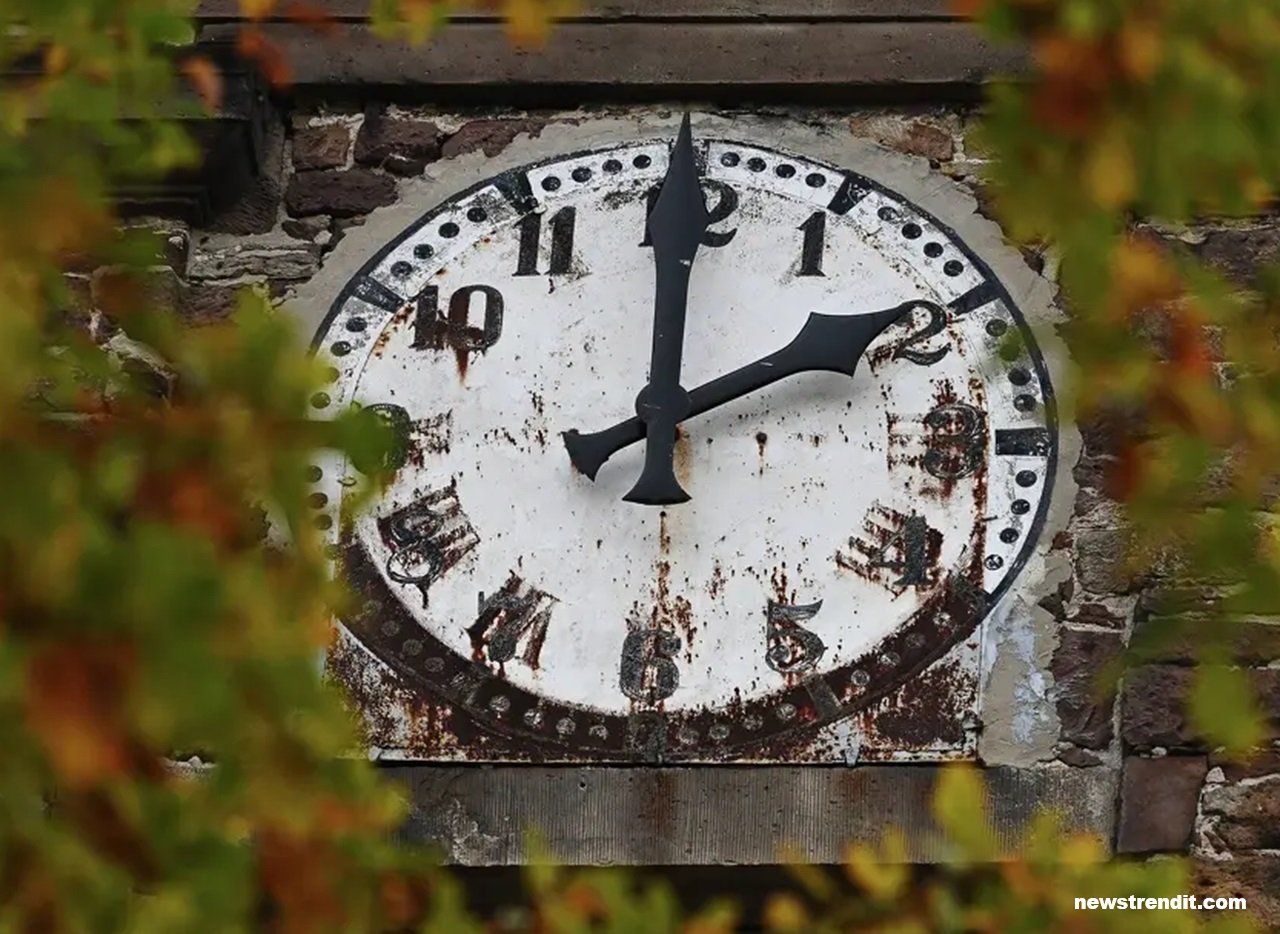
When Does Daylight Saving Time End in 2025. Do We Turn the Clocks Back Tonight? When Does Ohio “Fall Back” in 2025?
As the crisp autumn air sets in and the days grow shorter, many Americans are preparing for the annual ritual of turning back the clocks. Yes — it’s almost time to “fall back” again as daylight saving time comes to an end for 2025.
While it’s a familiar tradition, the reasons behind it — and its future — are often debated. Here’s everything you need to know about when the time change happens, why we do it, and whether Ohio and other states might stop observing it altogether.
When Does Daylight Saving Time End in 2025?
Daylight saving time (DST) officially ends on Sunday, November 2, 2025, at 2:00 a.m. At that moment, clocks will move backward one hour, giving everyone an extra hour of sleep and shifting sunrise a bit earlier in the morning.
So, before you head to bed on Saturday night, November 1, don’t forget to set your clocks back one hour.
When Does Daylight Saving Time Start Again?
The next time change happens on Sunday, March 8, 2026, when clocks will “spring forward” one hour. That shift is designed to provide more daylight during the longer days of summer.
Why Do We Gain an Hour in November?
When we “fall back” in November, we gain an extra hour of sleep and more morning sunlight. The idea is to make better use of daylight during the darker months. Conversely, when we “spring forward” in March, the goal is to extend daylight into the evening hours, giving people more light after work or school.
How Did Daylight Saving Time Begin?
Daylight saving time was first introduced in the U.S. in 1918 under the Standard Time Act. It was initially created to conserve energy during World War I, helping reduce fuel consumption by aligning waking hours with daylight.
After the war, the practice was dropped, only to return during World War II for similar reasons. In the 1970s, during the oil crisis, Congress tried keeping daylight saving time year-round for two years, but it proved unpopular and was quickly repealed.
The Uniform Time Act of 1966 standardized the start and end dates for DST across the country. The current schedule — beginning on the second Sunday in March and ending on the first Sunday in November — was set in 2005 after another amendment to the act.
According to the U.S. Department of Transportation, daylight saving time helps reduce energy use, lowers traffic accidents, and even deters crime.
Which States Don’t Observe Daylight Saving Time?
Not every state participates in the time change. Hawaii and most of Arizona have opted out. However, the Navajo Nation, which spans parts of Arizona, Utah, and New Mexico, still observes it.
Additionally, U.S. territories such as Puerto Rico, Guam, American Samoa, the U.S. Virgin Islands, and the Northern Mariana Islands do not observe daylight saving time at all.
When Does Daylight Saving Time End in 2025
Is It “Daylight Saving” or “Daylight Savings” Time?
While most people say “daylight savings time,” the correct term is “daylight saving time” — without the “s.” It’s called that because the concept is about saving daylight, not savings in general.
Will Daylight Saving Time End Permanently?
Not yet. There have been ongoing discussions in Congress about ending the twice-yearly clock changes, but no final decision has been made. Even though public figures like Elon Musk and former President Donald Trump have voiced support for making daylight saving time permanent, such a move requires federal approval.
Several states have passed bills supporting permanent DST, but they can’t enforce them unless Congress changes federal law. Until then, the U.S. will continue “springing forward” and “falling back” each year.
What About Ohio — Is the State Ending the Time Change?
Ohio lawmakers have shown growing interest in ending the clock changes. In October 2023, the Ohio House State and Local Government Committee approved House Concurrent Resolution 7, urging Congress to pass the Sunshine Uniformity Act.
If enacted, this law would make daylight saving time permanent nationwide, eliminating the biannual time changes. The resolution was adopted by the Ohio House and referred to a Senate committee in December 2023.
As of 2025, at least 31 states, including Ohio, are considering legislation to either make daylight saving time permanent or stop observing it altogether.
The Bottom Line
For now, Ohio — along with most of the U.S. — will continue the tradition of turning back the clocks on November 2, 2025. Whether this is one of the last times we adjust our clocks remains to be seen, but the debate over daylight saving time isn’t going away anytime soon. When Does Daylight Saving Time End in 2025.