

10 Benefits of Avocado: Heart, Eyes, Skin, and Digestion.
Heart, Skin, Eyes, and Digestion are the Top 10 Principal Advantages of Avocado
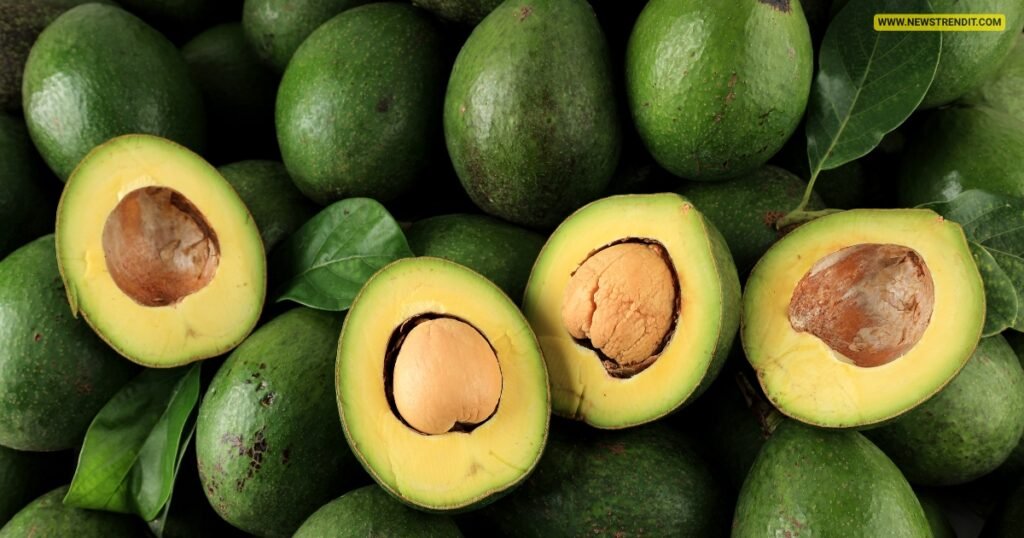
An avocado is a nutrient-dense fruit; half an average avocado is equivalent to one serving of your “5-a-day.” It has a good source of folate, vitamin E, and monounsaturated fat, all of which are thought to be heart-healthy. It offers beneficial minerals including iron, copper, and potassium along with more soluble fiber than most fruits.
The Lauraceae family, which also includes bay leaf and cinnamon, includes the avocado (Persea americana). The Hass type is the most well-liked of its many variants, which vary in size, color, and texture. This fruit, which is native to tropical regions, works great in dips and desserts because it softens to a buttery texture as it ripens. Its appeal is mostly due to its moderate, adaptable flavor and creamy texture.
Avocado’s nutritional profile (80 g serving)
152 kcal or 627 kJ
15.6 g fat, 1.5 g carbs, and 1.5 g protein
360 mg of potassium and 3.6 g of fiber
2.56 milligrams of vitamin E
The top ten health advantages of avocados
1) Rich in nutrients
The nutritional profile of avocados is distinct. It has more monounsaturated fats than olives and is a high source of carotenoids (phytonutrients) and fat-soluble vitamin E. It has more soluble fiber and nutrients like potassium and copper than any other fruit. One of your five-a-day is half a fruit.
2) Could promote cardiac health
Healthy monounsaturated fat, which makes up about 60% of an avocado’s total fat content, may help decrease blood pressure and prevent heart disease, according to study. Additionally, it has fiber, potassium, and folate, all of which are thought to be good for cardiovascular health.
10 Benefits of Avocado: Heart, Eyes, Skin, and Digestion
3) Could aid in cholesterol management
Avocados include the polyunsaturated fat linoleic acid in addition to monounsaturated fats like oleic acid (found in olives and olive oil). These unsaturated fats aid in cholesterol management when included in a balanced diet. Phytosterols are abundant in avocados, with half a fruit containing roughly 57 mg. To lower LDL (“bad”) cholesterol, a daily consumption of 2-3 g phytosterols is advised.
4) Could aid in controlling hunger
Don’t let the fact that avocados are higher in calories than most other fruits and vegetables deter you. Its combination of fiber and lipids makes you feel fuller for longer, which can help you make better, healthier decisions later in the day and cut down on needless snacking.
5) Could promote eye health
Vitamin E and carotenoids like lutein and zeaxanthin, which are known to promote eye health, are abundant in avocados. According to reports, almost 90% of the carotenoids in avocados can pass through the blood-brain barrier, protecting the brain and building up in the eye to prevent cataracts and macular degeneration.

6) Could improve the appearance and health of the skin
Consuming fruits and vegetables high in carotenoids provides nutrients that support healthy skin and may help prevent UV damage. In one study, healthy women’s facial skin firmness and suppleness improved after consuming an avocado daily for eight weeks. Individual outcomes may differ.
7) Could promote intestinal health
The high fiber content of avocados serves as a natural fuel (prebiotic) for our gut microorganisms, promoting their growth and diversity. Digestion, immunity, and general health are all improved by this.
8) Could promote the health of bones and joints
Avocado’s high lutein content may promote joint health since lutein seems to protect cartilage. Vitamin K, which promotes bone health by enhancing calcium absorption, can also be found in half an avocado.
9) Low-carb and keto-friendly
Avocados are popular in low-carb and keto communities because, despite being a fruit, they are low in carbohydrates, the majority of which are fiber and starch. With only 0.4 g of sugar per half fruit, avocados are particularly low in sugar when compared to a banana serve, which has roughly 14.5 g.
10) Enhances the absorption of nutrients
The fat in avocados lies in a special water-fat matrix that gives them a clever advantage: it helps improve the absorption of fat-soluble nutrients from avocados and meals consumed with them. Indeed, it can improve our skin, eyes, brain, immunity, and more, making it up to two to five times more effective.
Is eating avocado on toast healthy?
Avocado on toast is typically a healthier option for brunch than things like pancakes. Your choice of bread and any additional toppings will determine how healthful it is.
To increase the amount of protein in your meal, add poached eggs or smoked salmon. Select rye, wholegrain, or seeded bread for the bread; these are typically higher in micronutrients and fiber.
Are avocados good for the environment? (Sustainability)
The environmental impact of avocados is frequently questioned because of their high water requirements for cultivation and long-distance transportation. To lessen this, many producers are increasingly using effective techniques like drip irrigation.
Purchase the greatest quality you can afford and look for the place of origin on labels to decrease the impact. Purchasing from suppliers in Europe, like Spain, can help you lessen your carbon footprint. Eating a variety of seasonal, locally grown fruits and vegetables makes sense for both your health and the health of the environment.
Are avocados safe for all people?
Avocado allergies can occur in certain sensitive people. This includes oral allergies, which are frequently brought on by a birch pollen cross-reaction.
People who have a latex allergy may experience a less common reaction; if this describes you, consult your general practitioner.
Natural salicylates can be found in avocado, apples, peaches, raspberries, and blueberries. Due of their sensitivity, some people may have allergic responses that cause swelling or skin rashes.
Conclusion: Are avocados healthy?
The excitement surrounding avocados is warranted. They are high in fat-soluble carotenoids, potassium, and vitamin E, all of which promote heart, eye, and brain health.
They are particularly low in sugar even though they have more calories than many other fruits. Additionally, monounsaturated fats, which are thought to be good for the heart and cardiovascular system, account for the majority of the calories.
For individualized guidance, speak with your general practitioner or a trained dietitian if you have any health issues or suspect food allergies.
10 Benefits of Avocado: Heart, Eyes, Skin, and Digestion.